Publishing intelligence
Translation Scout
A prototype for turning scattered foreign-market coverage, critic response, rights context, and editorial fit into a ranked scouting pipeline.
01 / Problem
Is it possible to bridge the gap between foreign critic literary taste and US market preferences in a day?
Scouts and editors see too much fragmented material: reviews, scout reports, rights notes, samples, informal recommendations, comparable titles, and memory. The prototype asks how a team can decide which foreign titles deserve scarce reading, sample, rights, submission, and pursuit effort, and build it with minimal effort in a day.
02 / Architecture
Agentic AI for preference embedding models
The system builds two embedding layers: the first using reviewer, critic, genre, and title signals, and the second based on overall market trends from major publishing market sources. Using these intersections, we want to highlight missed opportunities using a historical corpus of known literary successes in the US.
03 / Data
Data matters
The MVP became more useful as a transparent scouting dashboard and evidence collector rather than a fully automated prediction engine.
04 / Prototype
The website page shows the product story; the app supplies the data engine underneath.
Translation Scout currently has a website case-study page, a wireframe, and product docs. The closest playable app handles review data, critic/reviewer matching, source catalogs, and vector artifacts.
Open local app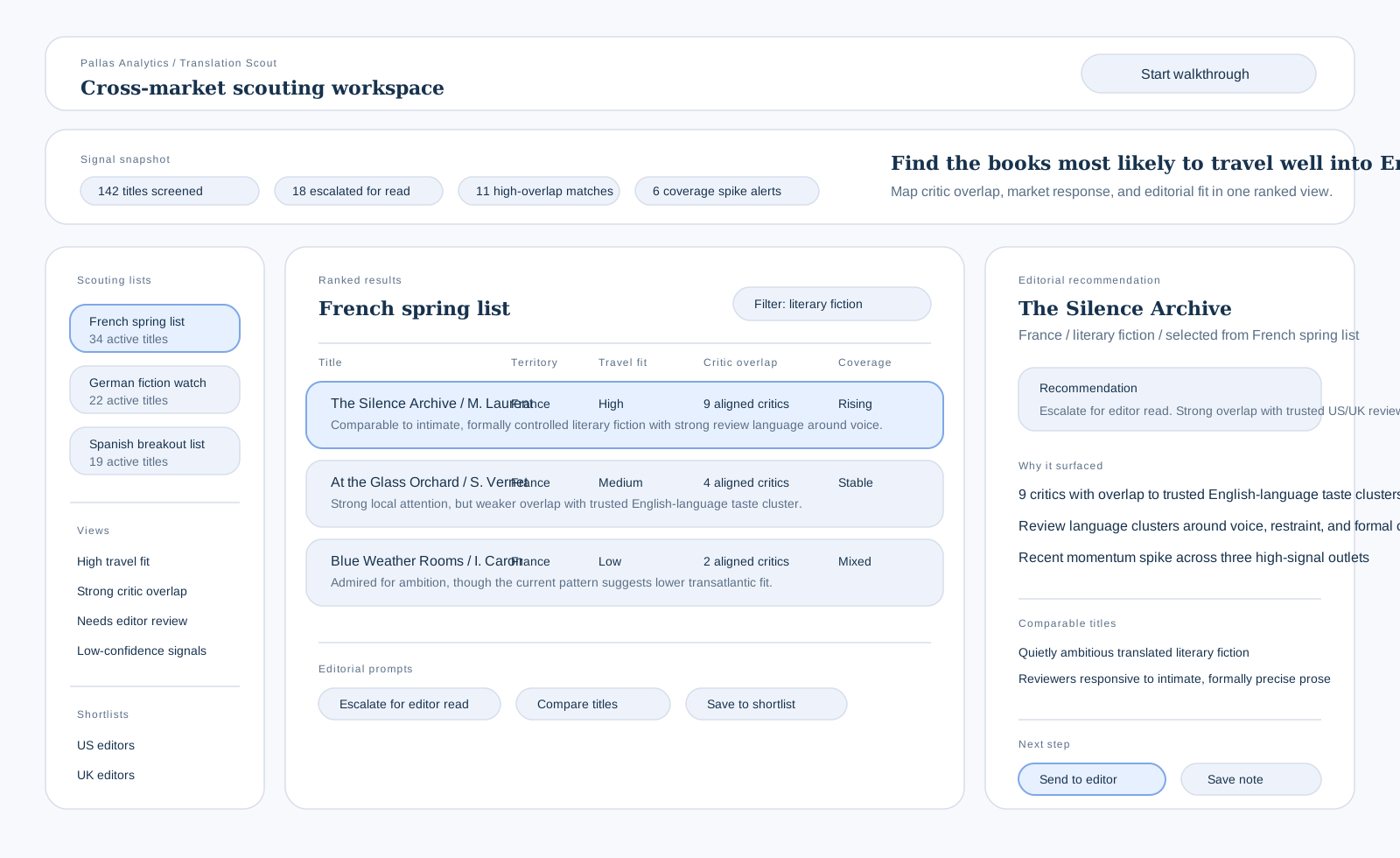
05 / Learned
New product market signals
The final product was a useful way for editors and scouts to explain why a title deserves attention, what could block it, and what next move is justified.
- The MVP should be honest about data gaps and use them as part of the workflow.
- Human editorial judgment stays central; the system structures evidence around it.