Validation plans describe the work, but they do not behave like a workflow.
01 / Problem
The work was trying to make regulated execution visible before a pipeline advances.
Regulated teams often operate from static validation packages, SOPs, email threads, Slack updates, and spreadsheets. The core problem was how to turn that fragmented evidence into a working operating picture: what is complete, what is blocked, what evidence is missing, and what has to happen next.
Important execution context sits in messages, reviews, and handoffs.
Teams need source-linked rationale for why a milestone moved forward.
FDA GxP, EU GxP, and retention expectations may all matter.
02 / Architecture
A document-derived milestone engine with a live signal layer.
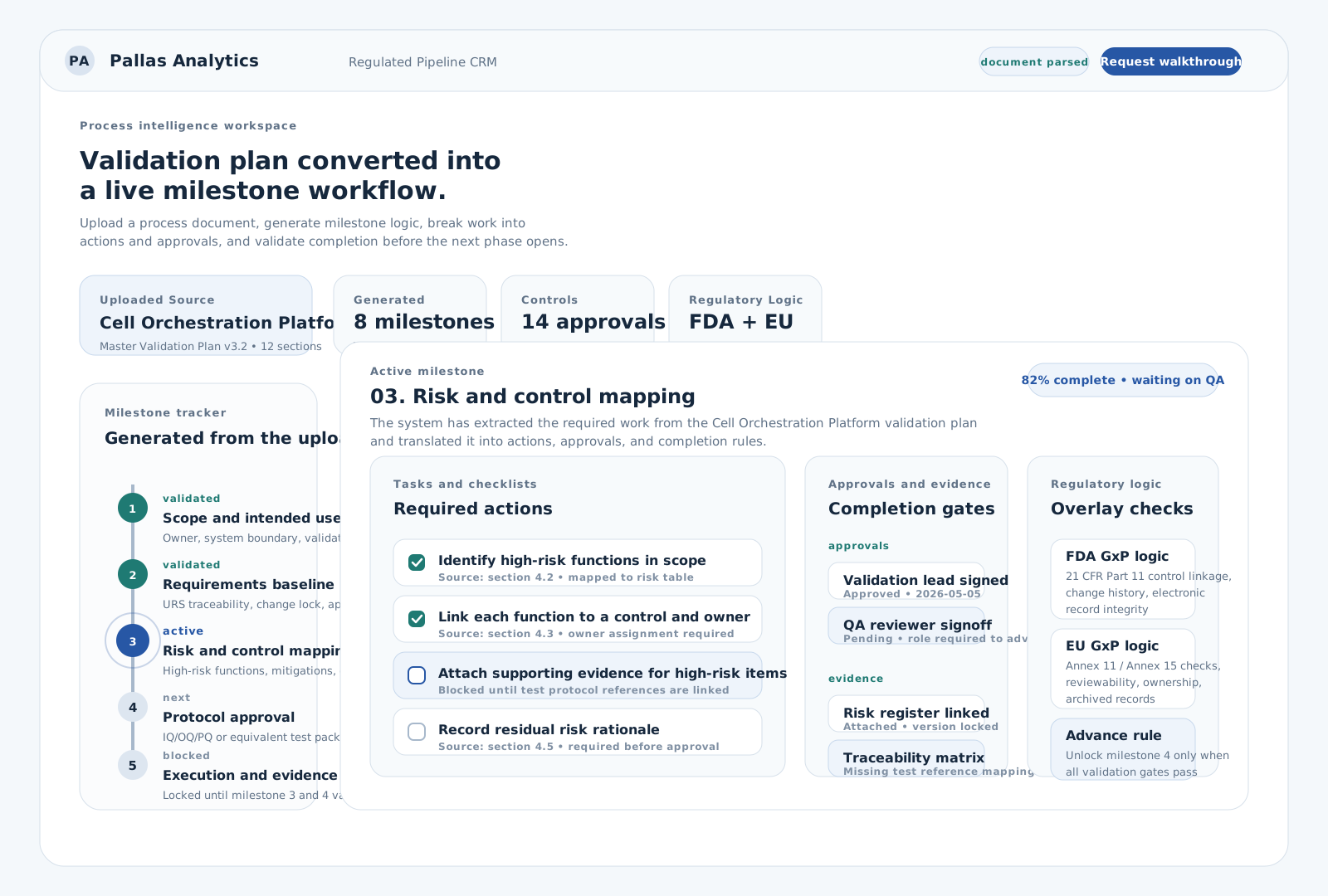
The product spec separates the system into two workstreams: process intelligence from GxP documents and secondary signal ingestion from operational context. The first creates the skeleton of milestones, dependencies, tasks, approvals, and evidence needs. The second adds live operating context without overwriting the source-controlled plan.
Left rail sequence generated from validation and process documents.
Right panel with tasks, approvals, evidence checks, dependencies, and regulatory notes.
Converts messages into structured execution signals requiring confirmation.
Preserves the document, rule, or message behind each recommendation.
03 / Data
The data model centers documents, obligations, tasks, evidence, dependencies, and live events.
The local POC includes synthetic GxP documents, process flow data, regulatory rules, tasks, evidence records, dependencies, events, and operational signals. The reference folder also includes external GxP and computerized-system documents used as realistic source material.
04 / Prototype
There is both a website case-study page and a local working app.
The website page explains the product surface. The working Control Center includes a browser app, synthetic documents, regulatory rule data, and implementation notes.
05 / Learned
The useful product is not AI. It was creating structure from severely disjointed and unstructured sources, including email chains and Slack messages, and converting the structure in validation docs into a "process control" skeleton that helped the role of QA within the company by identifying key issues and allowing for better context on when escalations occurred.
The prototype clarified that the valuable layer is a live operating system for regulated execution. The document extraction matters, but only because it creates a workflow that can be inspected, completed, validated, and explained.
- In this case, AI helped us convert static docs into an accountable execution layer.